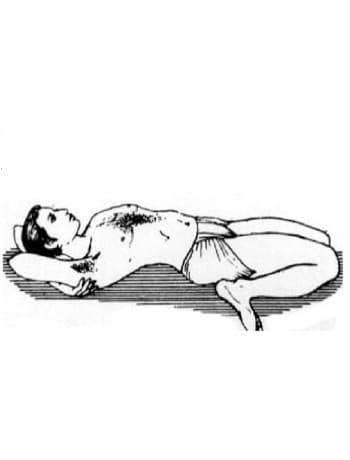
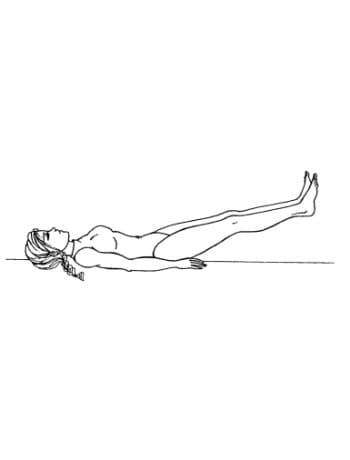
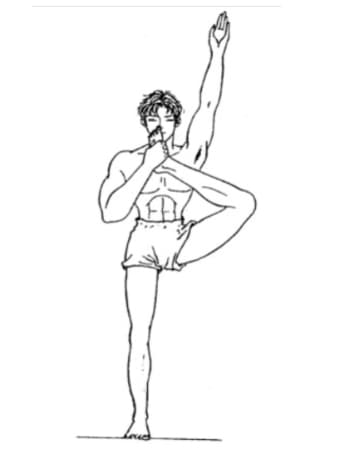
Ardhashivasana, also known as the Half Consciousness Posture , or the Half Shiva Posture is a variation of Shivasana. It has the same benefits as the Shivasana. It activates the digestive system as…
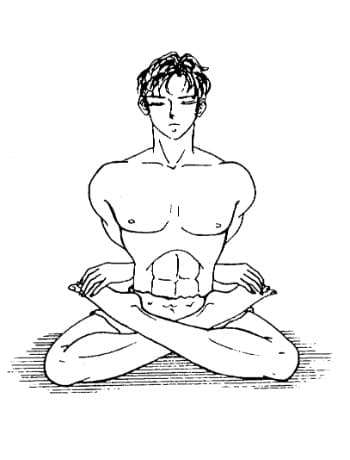
Baddha Padmasana or Bound/Locked Lotus Posture is a variation of Padmasana. It comes from the Sanskrit words 'Baddha' which means locked and 'Padma' for lotus, and 'Asana' which means posture or…
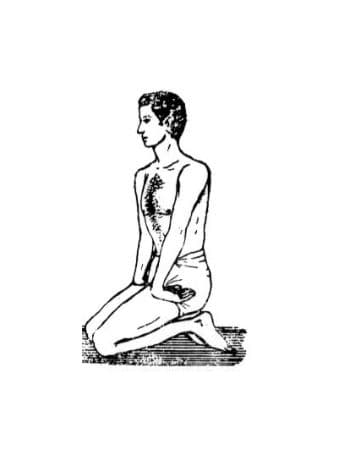
Vajrasana, also known as Thunder or Diamond Pose, is a kneeling asana in yoga. This comes from the Sanskrit 'Vajra' which was a weapon in ancient times that is shaped like a diamond or a…
The Mayurasana, also known as the Peacock Posture is a hand-balancing asana used in yoga practice. The etymology of this word is that it comes from two Sanskrit words 'Mayura' which is translated as…
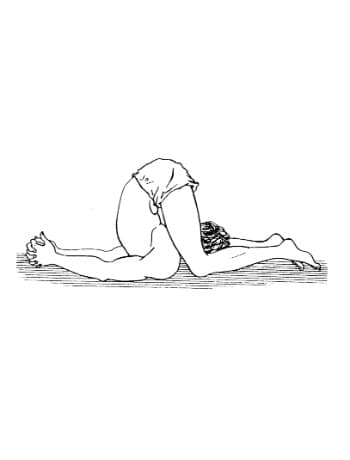
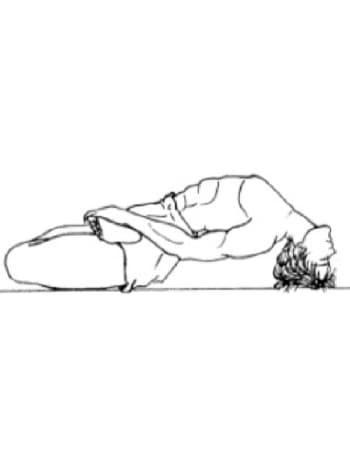
Kurmakasana or Tortoise pose is a forward bending asana done while seated. It comes from the Sanskrit 'Kurma', which means turtle or tortoise, and 'Asana' which means pose or posture. This asana…
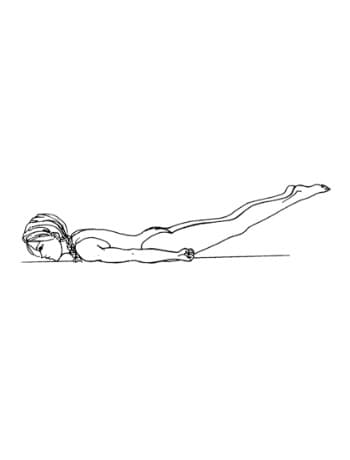
Shalabhasana or Locust Posture, also known as the Grasshopper pose, is a variety of back bending asana in yoga practice. The name is derived from the Sanskrit word 'Shalabh,' which means grasshopper…
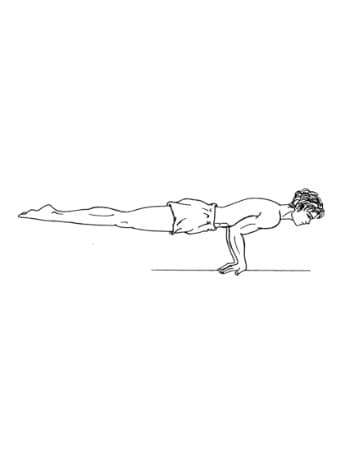
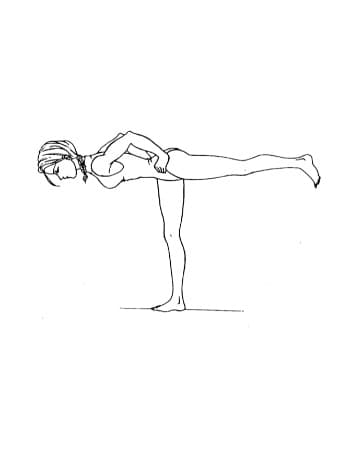
Tuladandasana, also known as the Balance pose, is an advanced yoga asana. The name is derived from the Sanskrit words 'Tula', which means balance, 'Danda', which means staff, and 'Asana', which means…
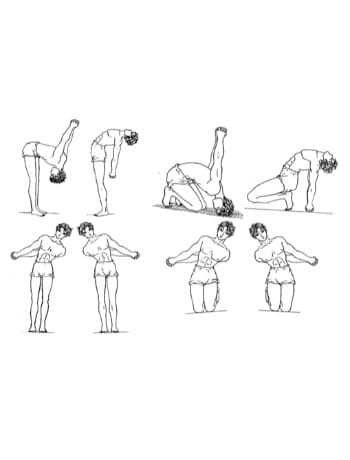
Karmasana or the Action posture is a yoga asana that consists of two parts, that involves stretching of the arms, back and side muscles. This asana activates the lower five cakras, stretching the…
Ustrasana, or Camel Pose, comes from the Samskrta words 'Uṣṭra' meaning camel, and 'asana' meaning posture. This powerful backbend is one of the most transformative poses in our yoga practice,…
Bhavasana or the Ideation pose comes from two Sanskrit words Bhavasa which pertains to thoughts and feelings while 'Asana' means pose or posture. This pose is an ideal pose that is used for yoga…
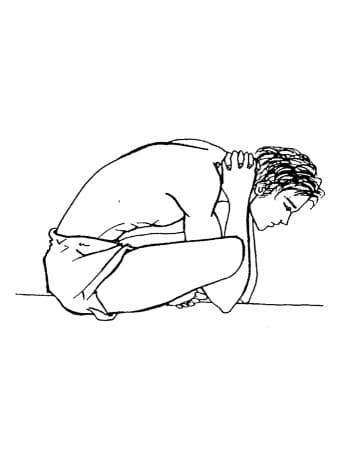
The Granthimuktasana or the Knot-Loosening Pose is an asana used in Yoga exercise. 'Granthi' in Sanskrit means knot or doubt, while 'mukta' means to free or release, while 'asana' means posture or…
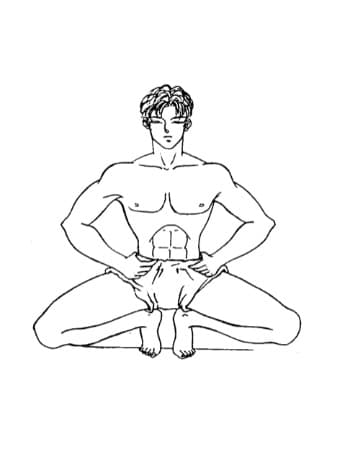
Mandukasana, also known as Frog Posture is a seated asana in yoga practice. This comes from the Sanskrit words 'Manduka' which means frog, and 'Asana', which means pose or posture. This asana is…
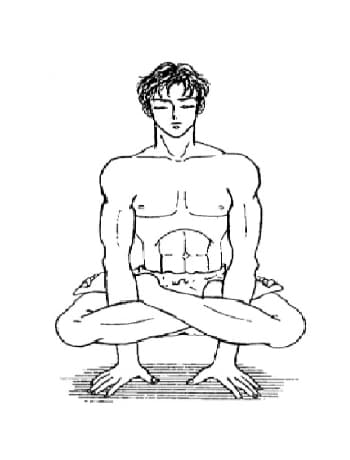
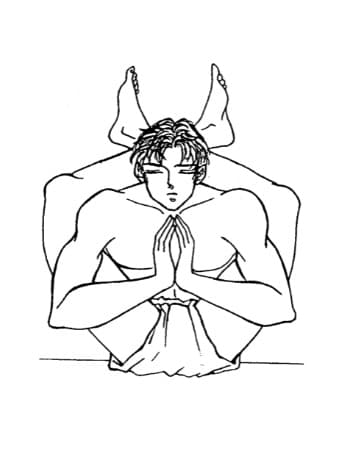
Kukkutasana, also known as Rooster Posture is a yoga asana that is a variation of padmasana. It comes from the Sanskrit words 'Kukuta', which means rooster/cockerel, and 'Asana' which means posture…
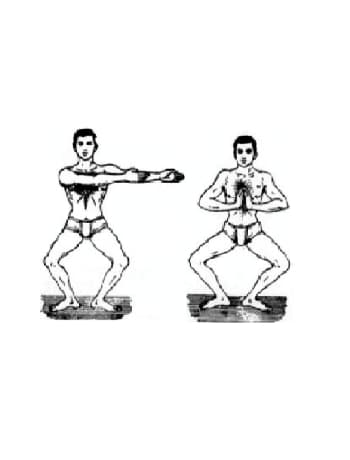
Angle Pose (Dvis'amakonasana), also known as Equal Angle Pose or Samakonasana in other schools, derives from the Sanskrit words 'Sama' meaning equal, 'Kona' meaning angle, and 'Asana' meaning pose or…
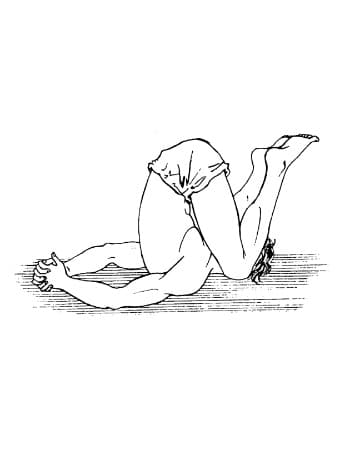
The Consciousness Posture (Shivasana) is a variation of the Halasana for those who cannot do the original posture because of some strain in the legs. It has some benefits as Halasana on the physical…
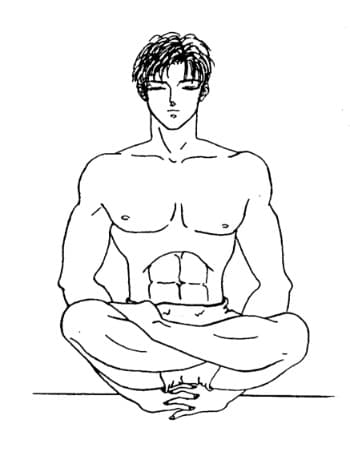
Siddhasana, also called the Perfect or Accomplished pose, is a yoga position for beginners. The name of the pose is derived from two samkrta words: 'Siddha', which means perfect or accomplished, and…
Hero posture Viirasana, also known as the Brave Posture, is a basic kneeling yoga posture. The pose's name is derived from the Sanskrit words 'Viira', which means warrior, and 'asana,' posture.…
The Utkata Kurmakasana, also known as the Difficult Tortoise Posture, is classified as a difficult pose. It comes from two words, Utkata, which means powerful, and Kurmasana. Kurmasana comes from the…
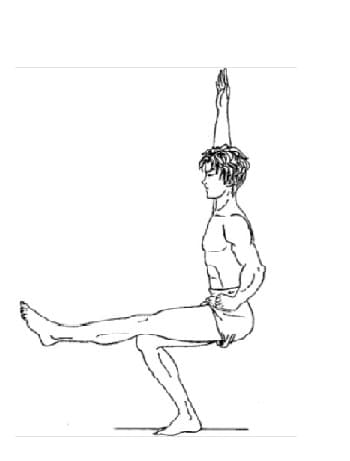
Jatila Utkatasana or Difficult chair Posture is a variation of the Chair Pose. 'Jatila' comes from the Sanskrit word which means very complex, and the Utkata comes from the Sanskrit word 'Kata'…
Difficult Thunder Posture (Utkata Vajrasana) is also known as the "Difficult Diamond Pose". This is prescribed to enable people to sit effectively in Lotus pose Padmasana . It is useful to address…
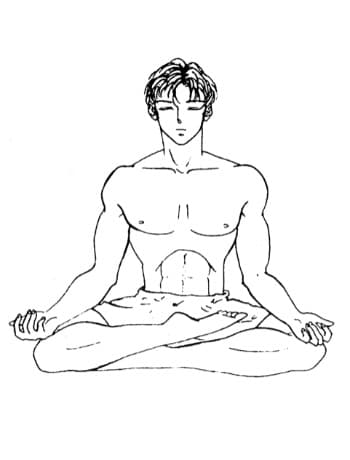
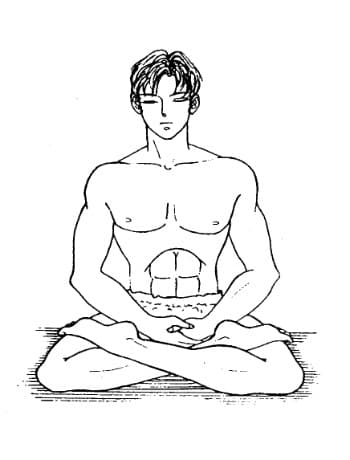
The Lotus Pose or Padmasana is a cross-legged position that is used for meditation. Padmasana is derived from the Sanskrit words the Padma, which means "lotus," and asana, which means "posture" or…
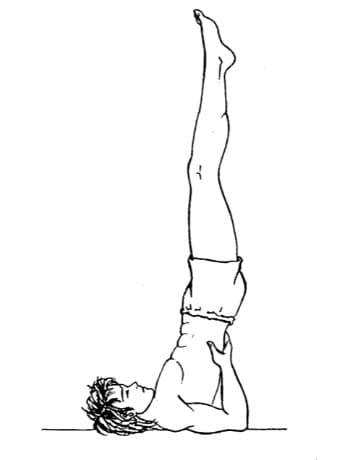
Sarvaungasana, also known as Shoulder Stand is, is an inverted asana used in the exercise. The name comes from the Sanskrit word 'Sarvanga' which means "all limbs" or "the entire body" and 'asana'…
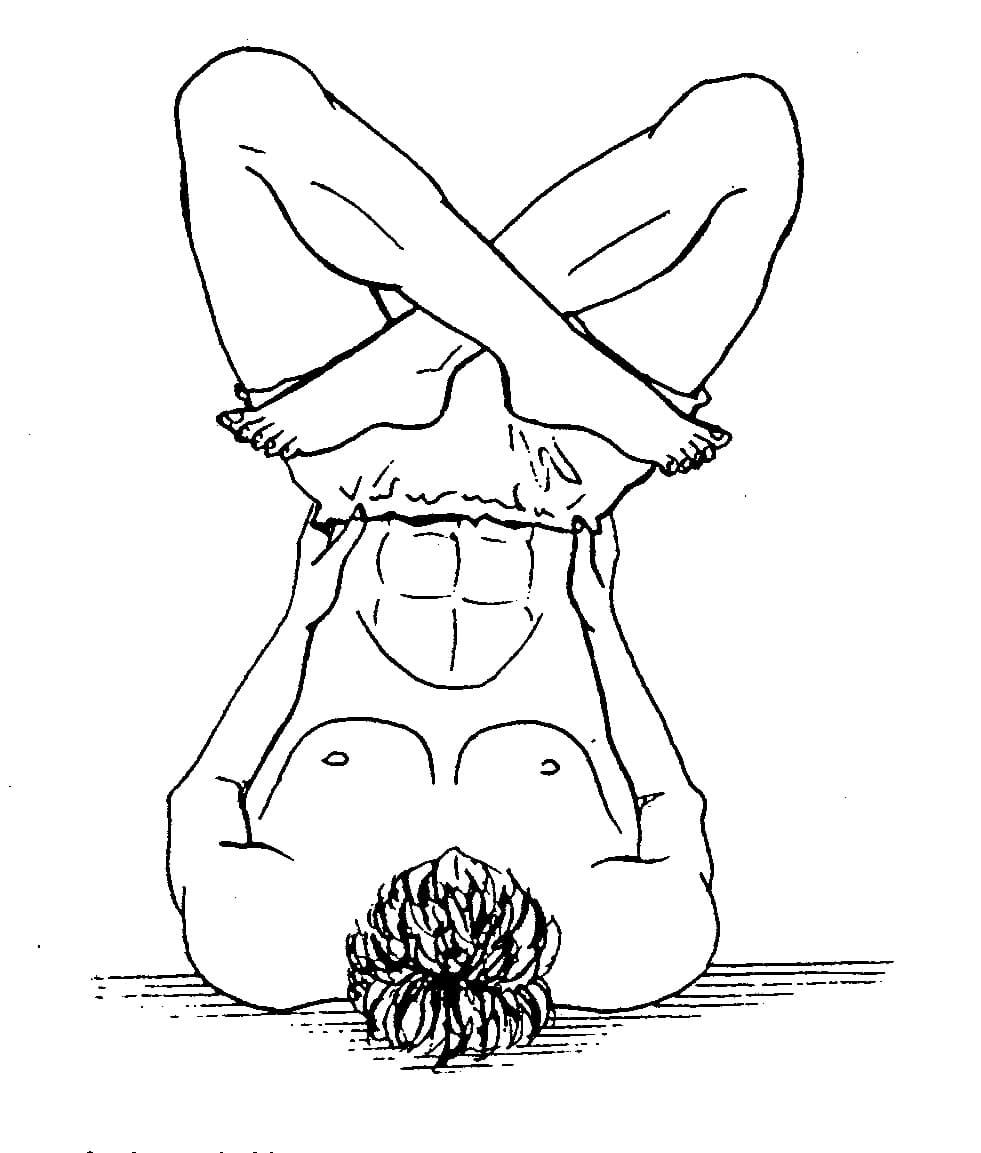
Shoulder Stand with Lotus is an advanced Shoulder Stand (Sarvaungasana) variation, also known as Padma Sarvaungasana. It involves a Shoulder Stand , but instead of the limbs extended straight up,…
Matsyamudra or the Fish pose is one of the most popular yoga asanas. It comes from two Sanskrit words 'Matsya' which means fish, and mudra which is a gesture of the hand. This asana helps remove…