Tapioca Farofa Especial
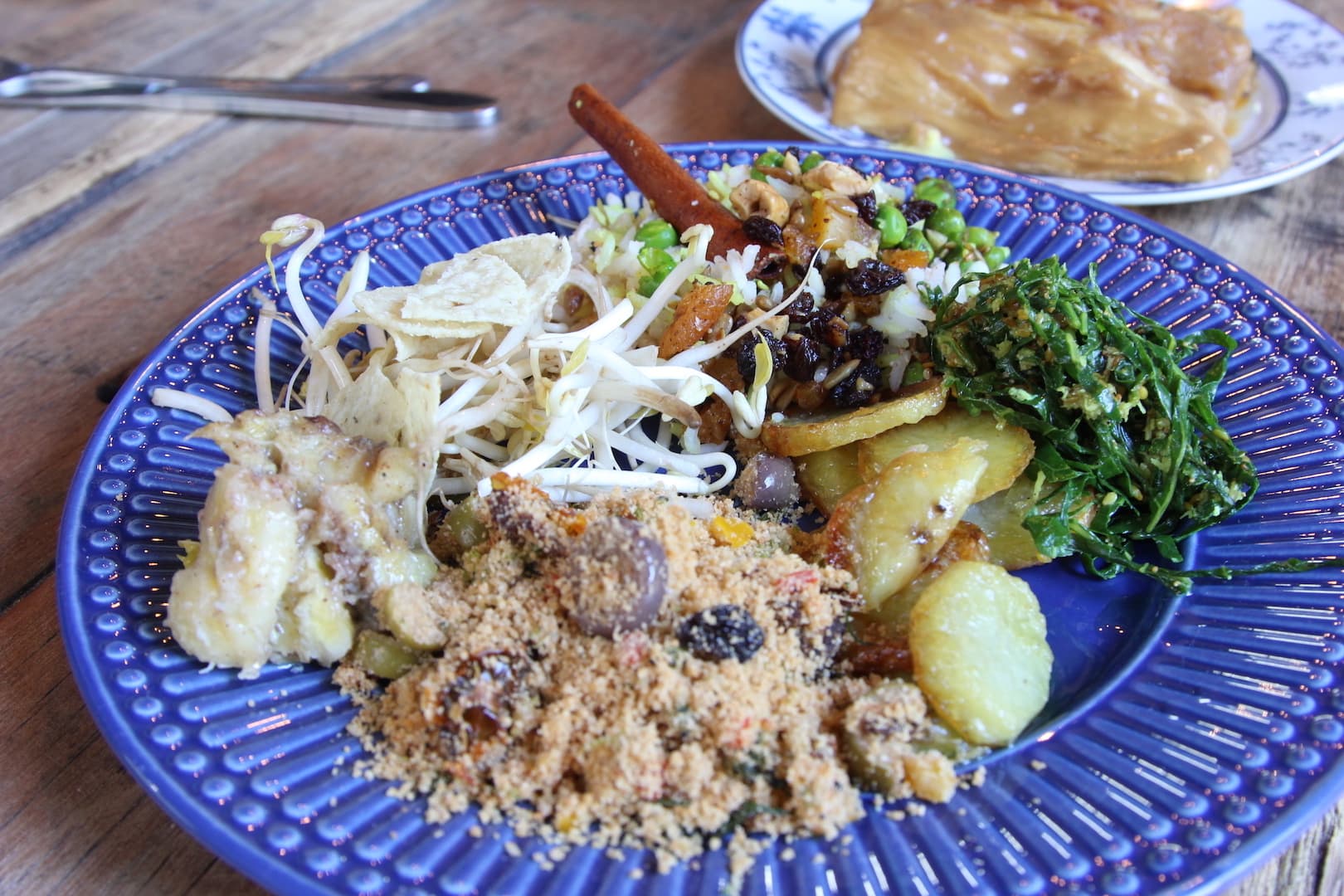
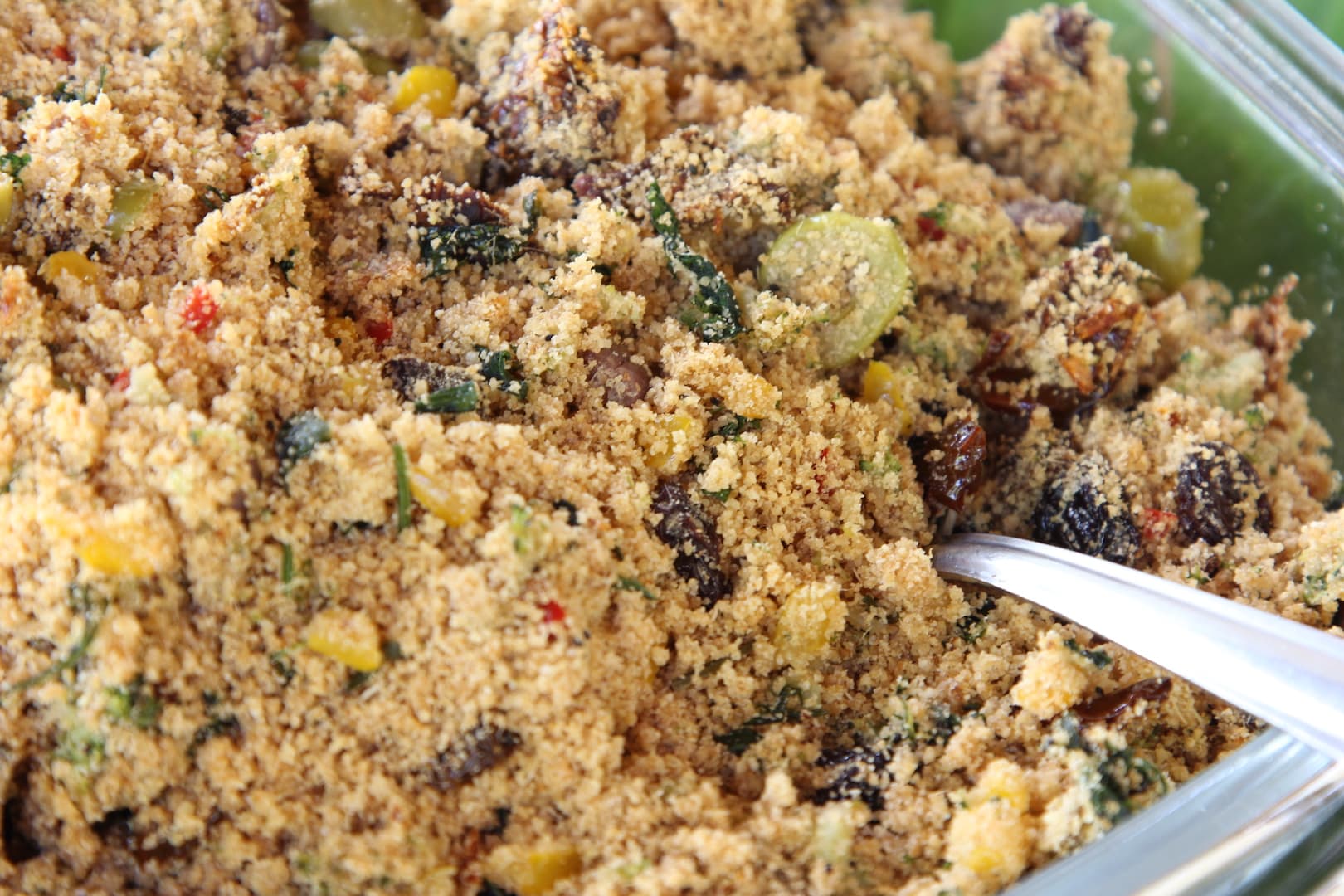
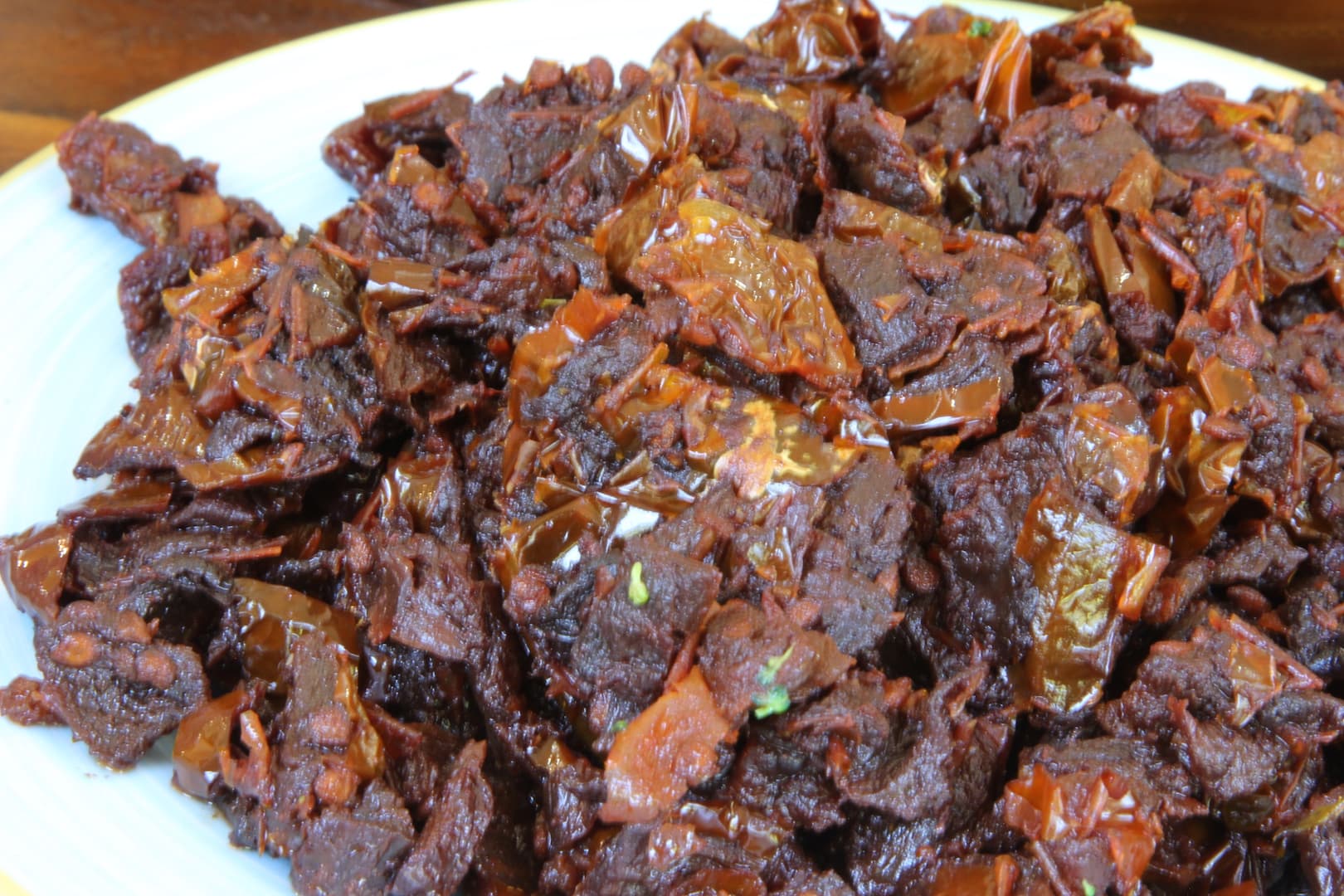
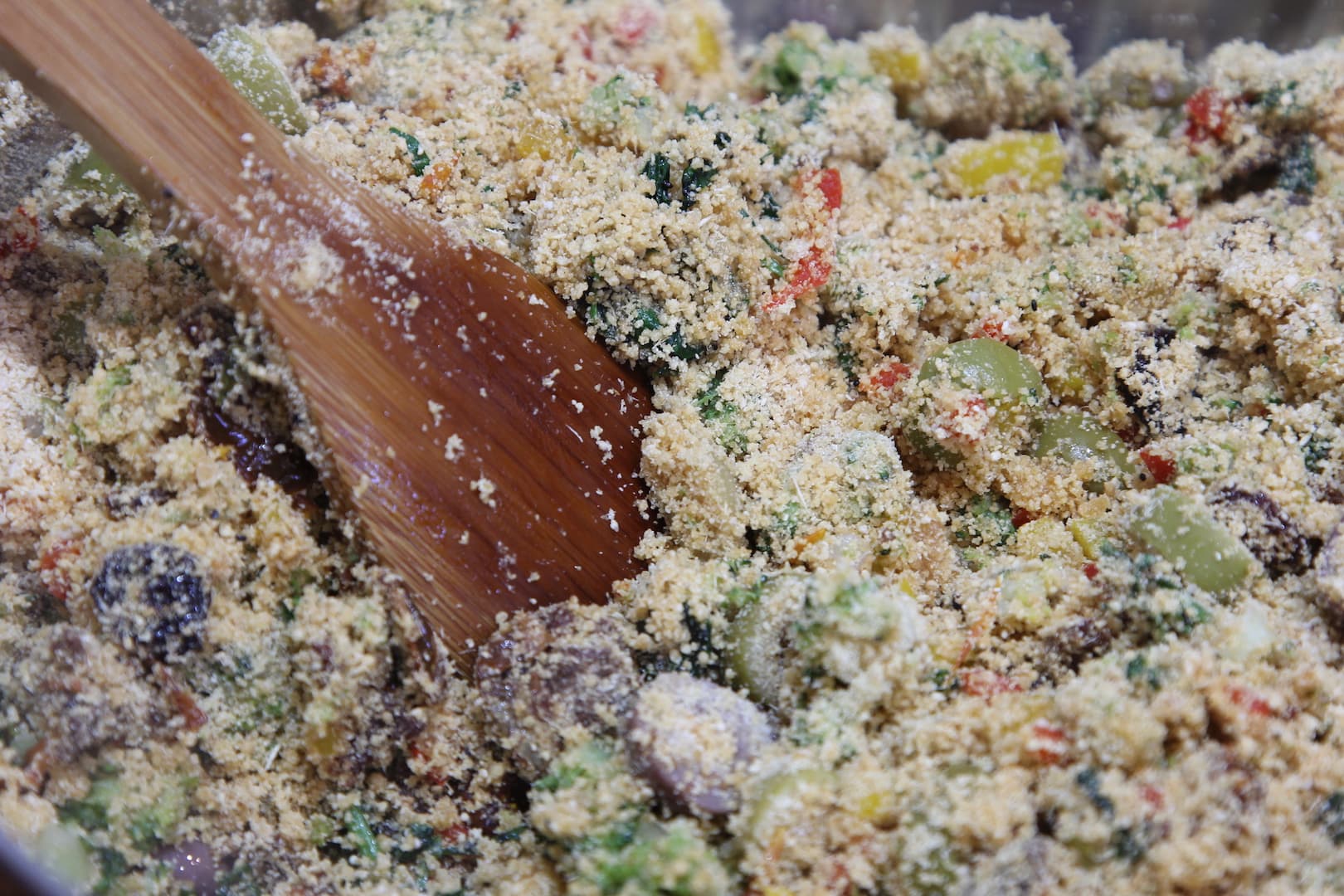
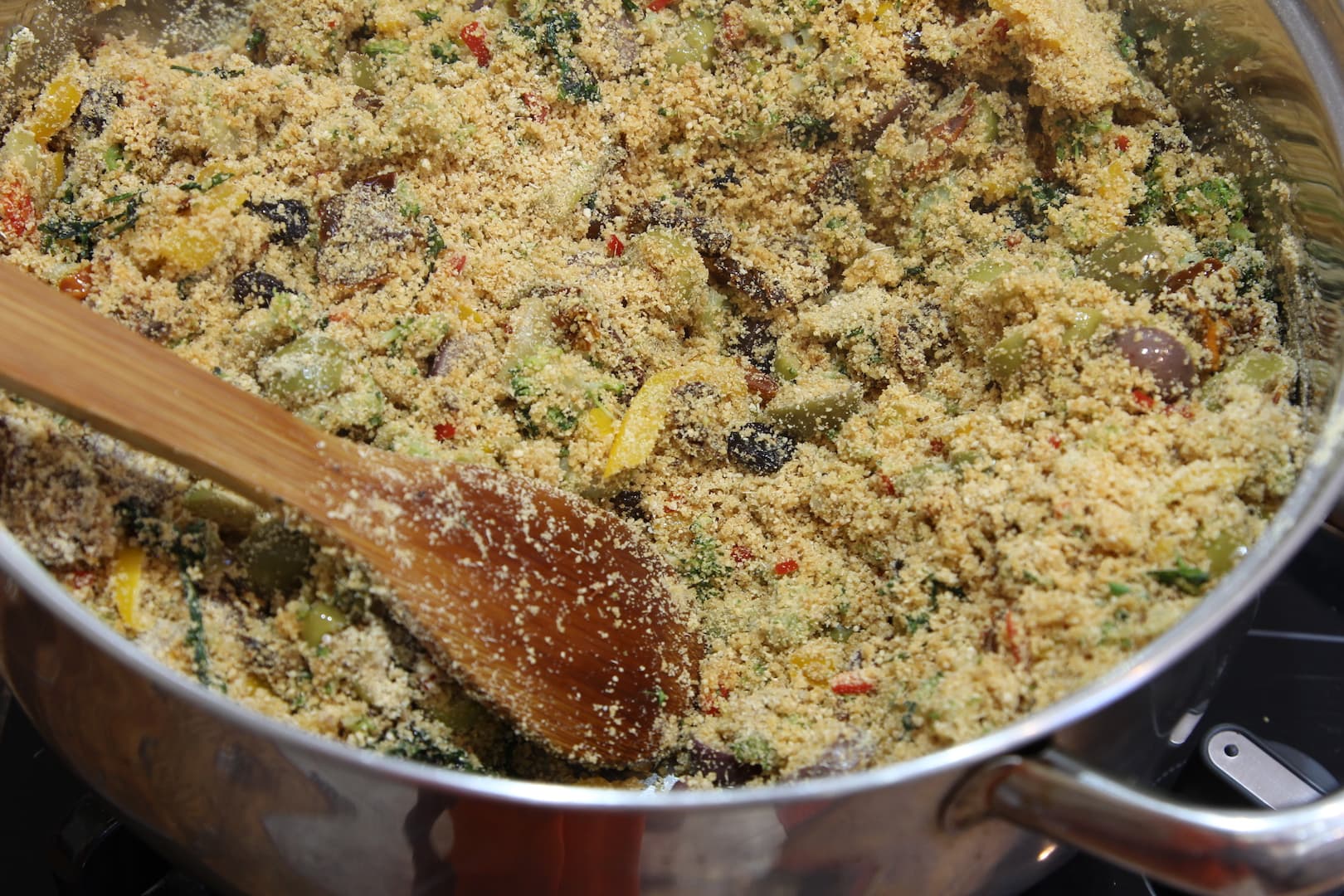
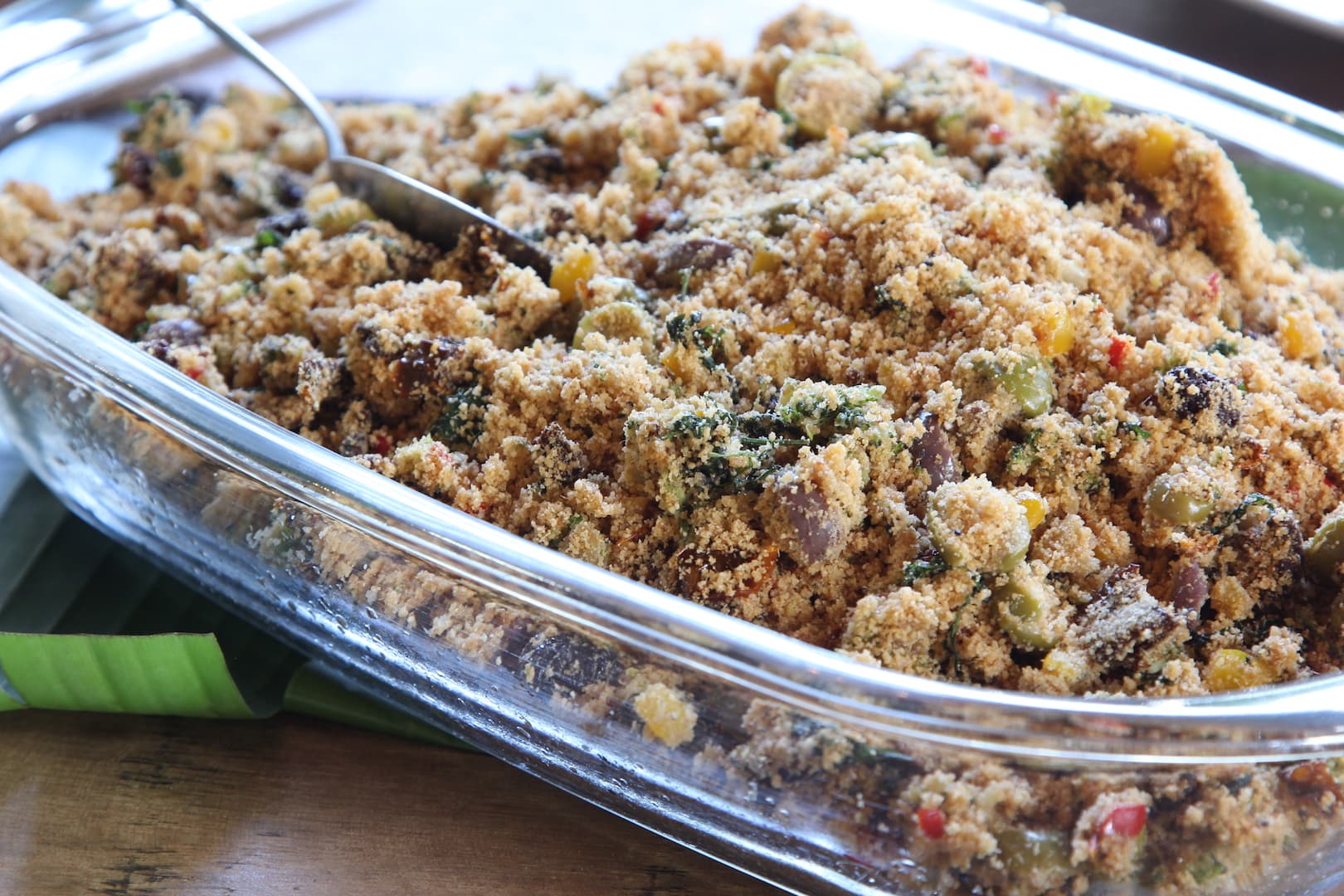
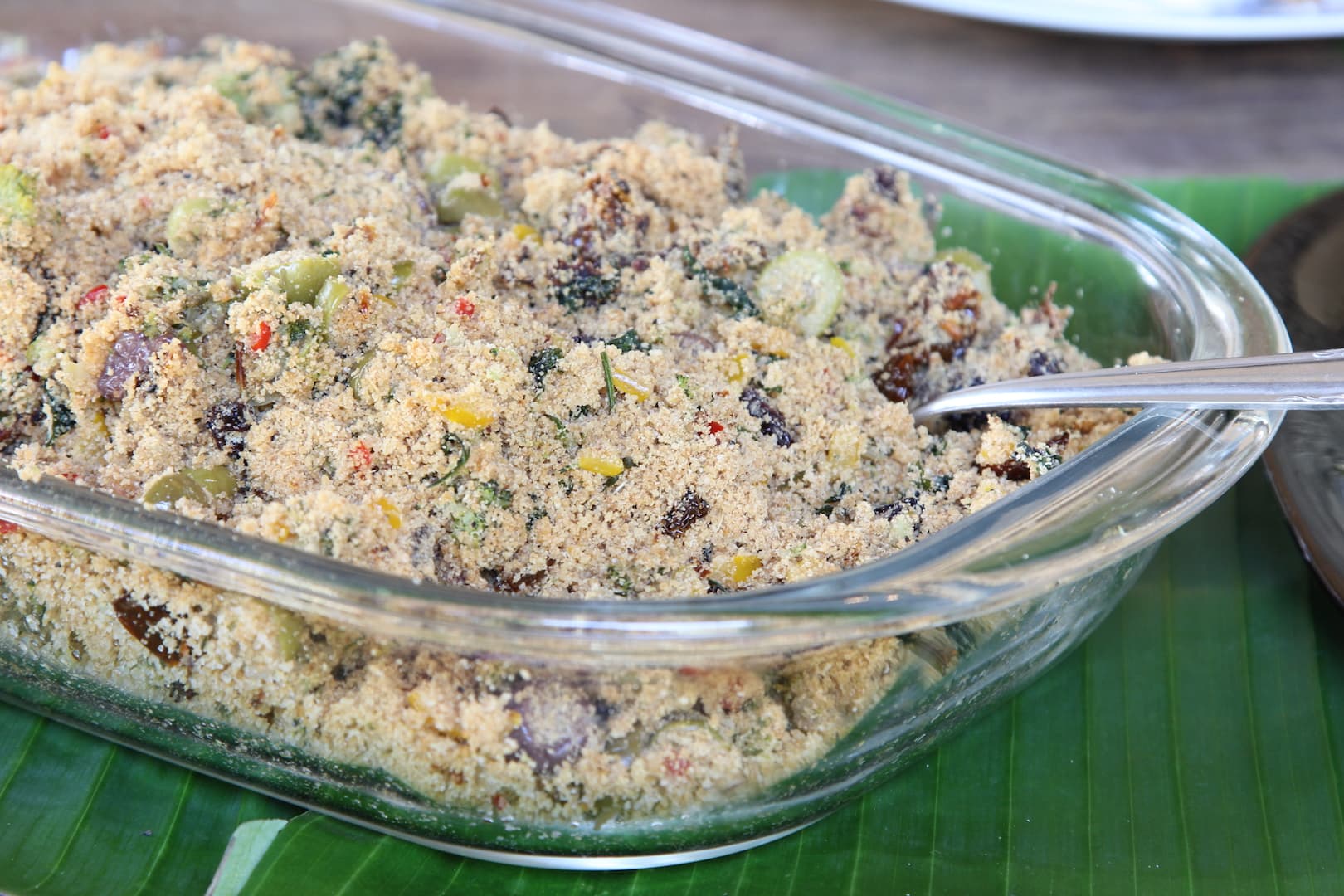
This Vegan Farofa Especial goes beautifully with Feijoada, a traditional black bean stew. Slightly buttery, quite toasty, and delightfully crunchy, the Farofa adds a wonderful textural element to any meal as a side dish.
The traditional method involves grinding the tapioca root into a coarse flour known as Mandioca or Mandioc flour. Feijoada and banana farofa are beloved combinations commonly served in Rio de Janeiro. In Brasil, you can customize farofa with any ingredient of your choice, making it a versatile canvas for creativity.
There are many ways to prepare Farofa, using different types of tapioca flour. In Brazil, white or roasted mandioca flour is available—the roasted version offers a nuttier taste while the untoasted is milder. You can choose according to your preference.
Farofa is also sometimes made with maize semolina, and many cultures worldwide use wheat or corn semolina to create vegetable relishes. Tapioca flour (manioc starch) is commonly used to make delicious "Pães de Queijo" (Brazilian cheese rolls)! One popular brand is Yoki, which works wonderfully in this recipe. Alternatively, you can use corn or wheat semolina as a substitute for the Brazilian manioc version.
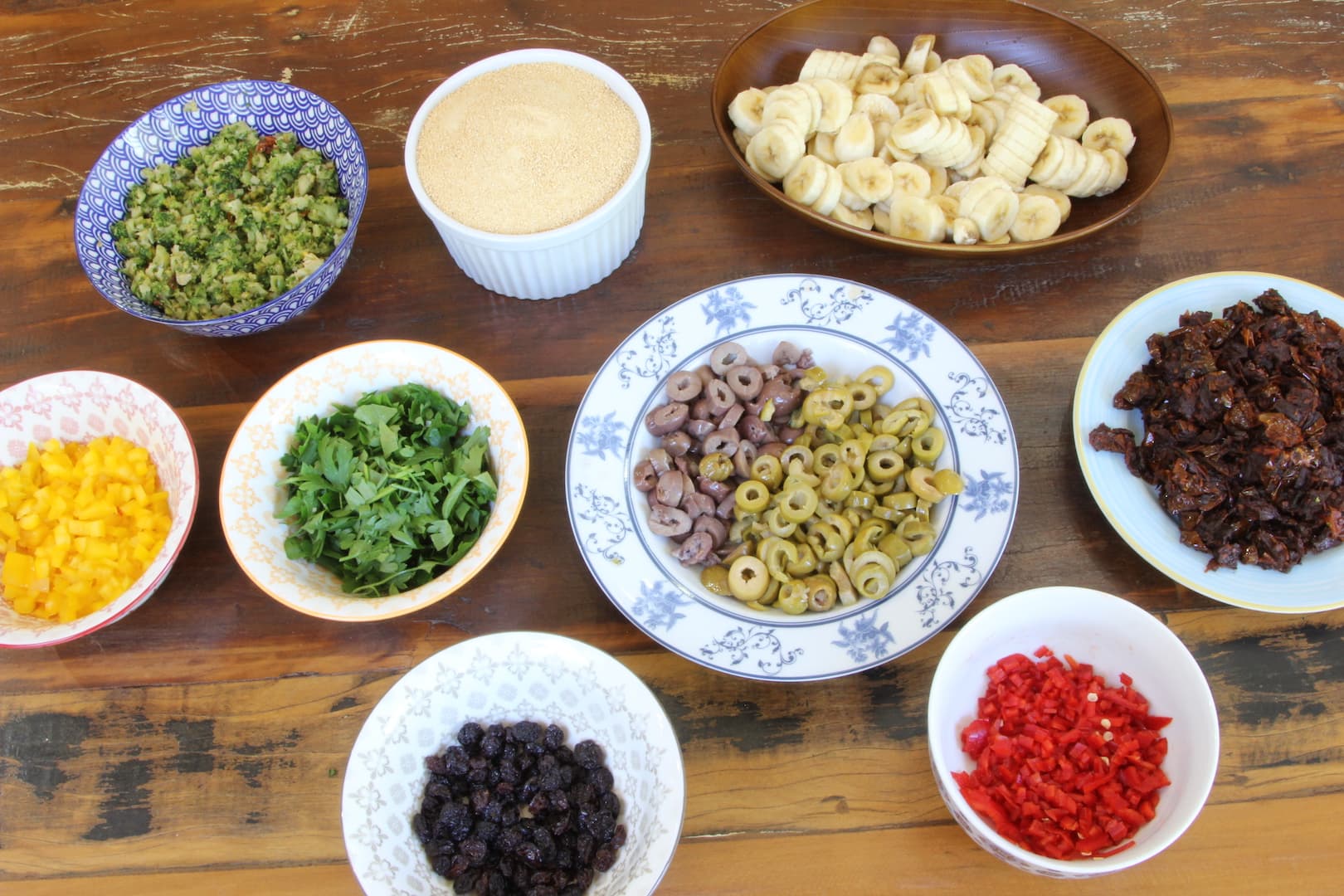
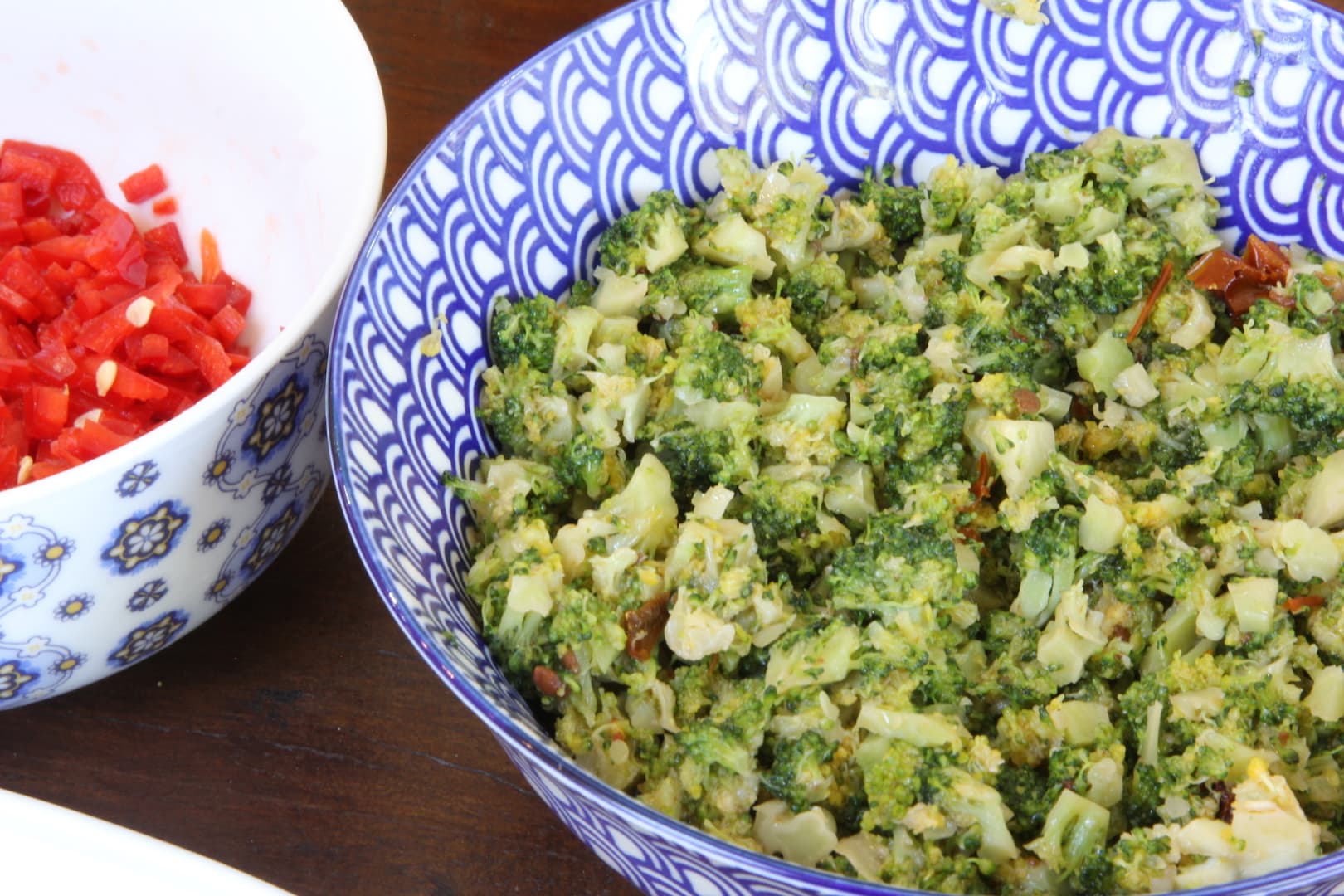
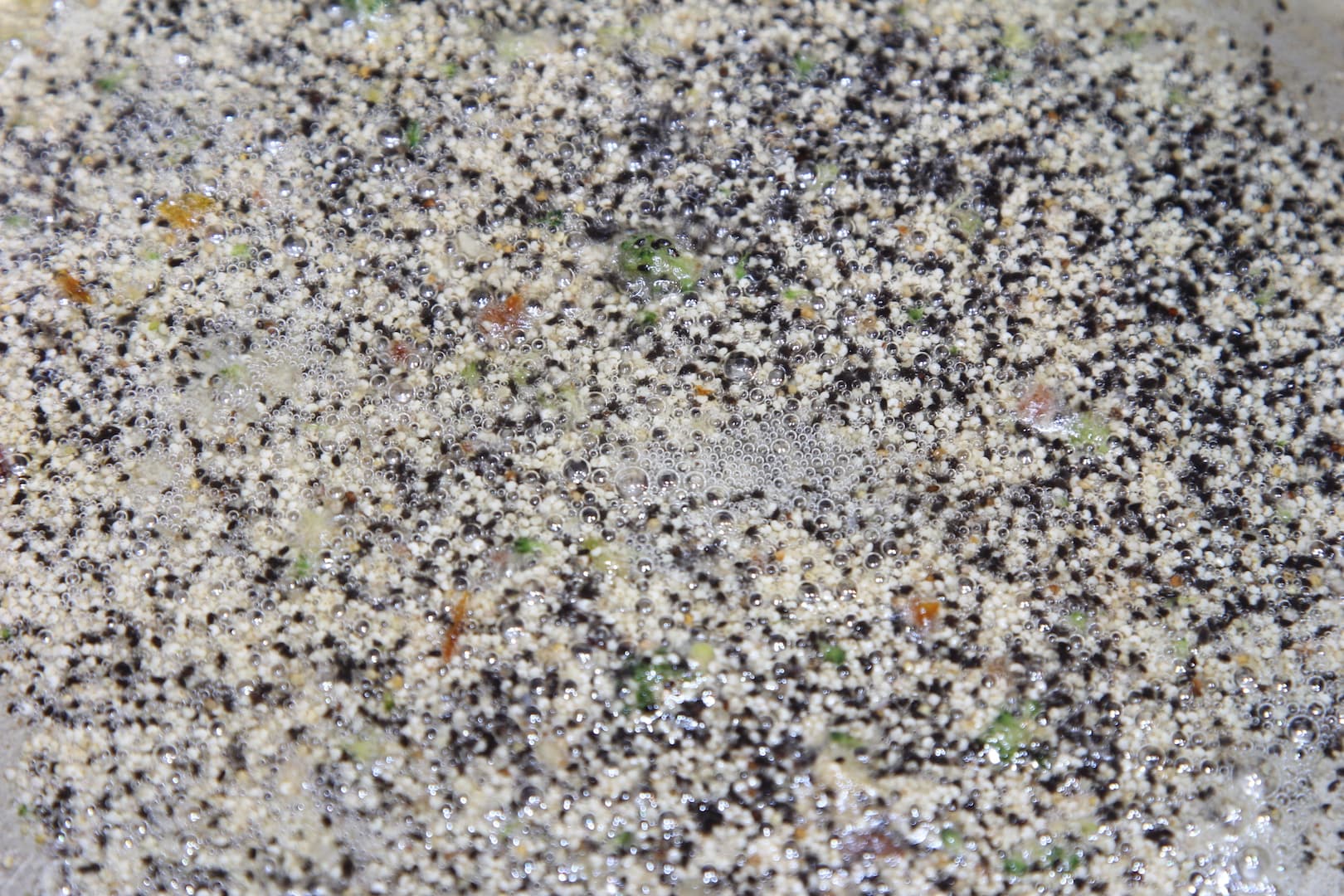
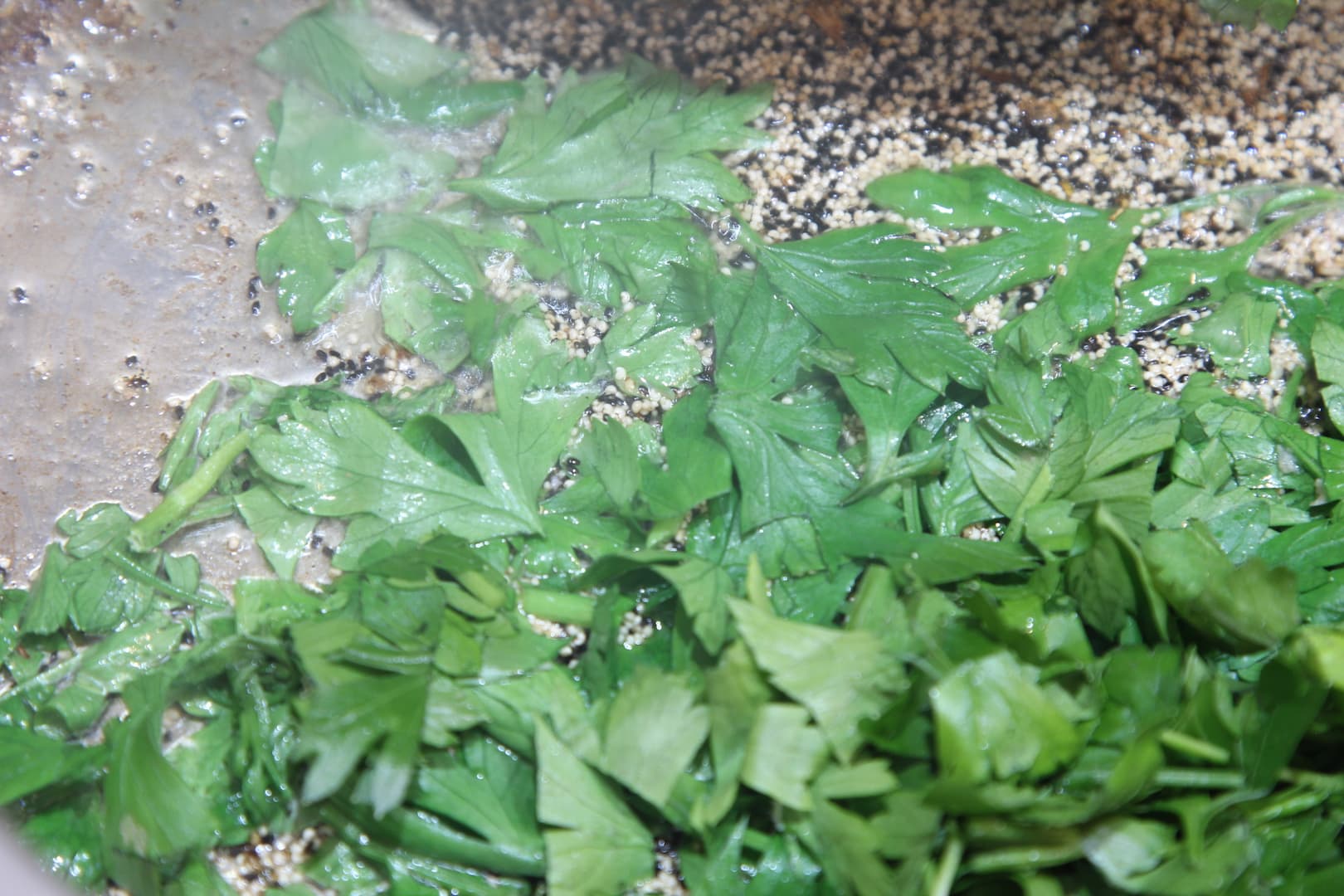
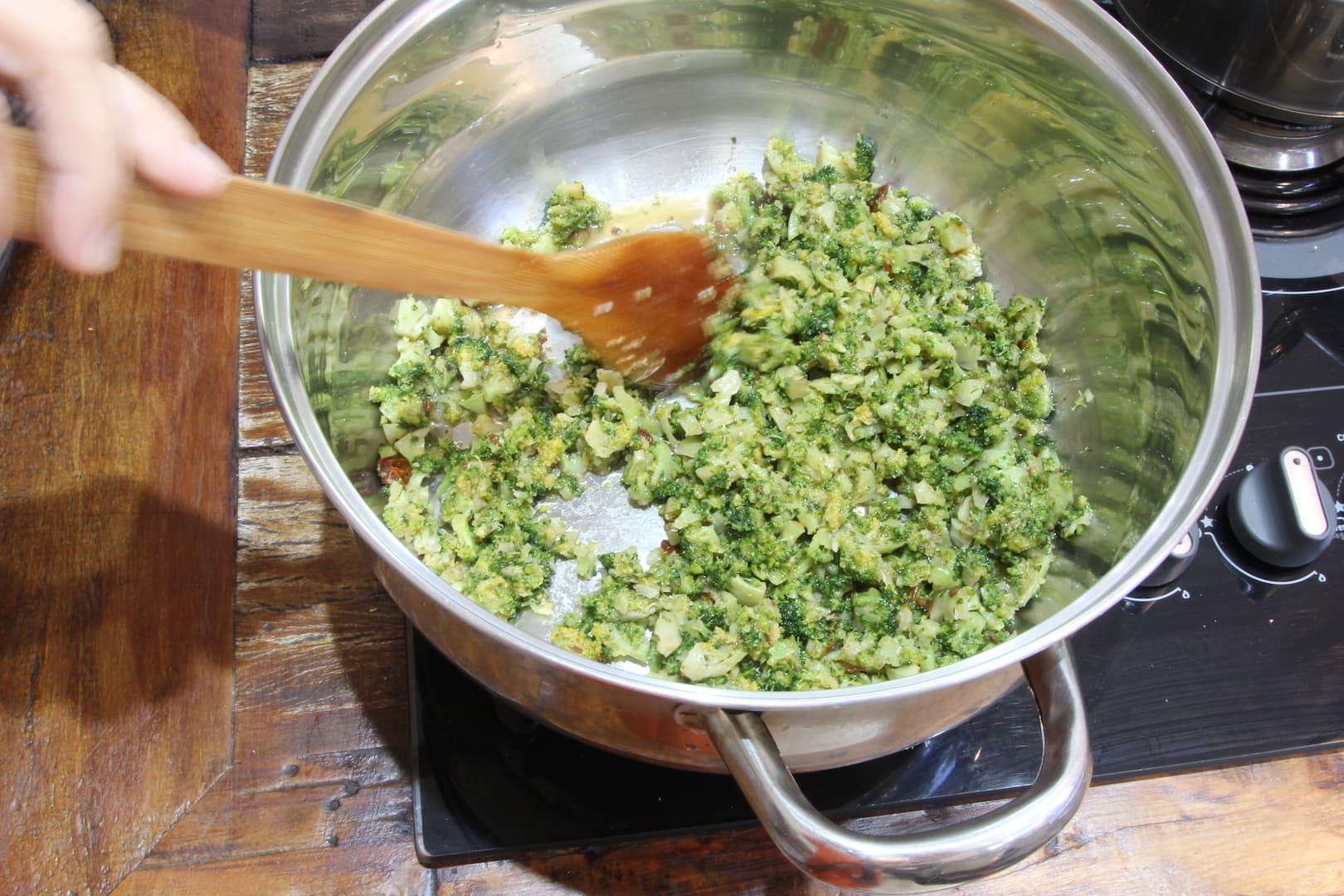
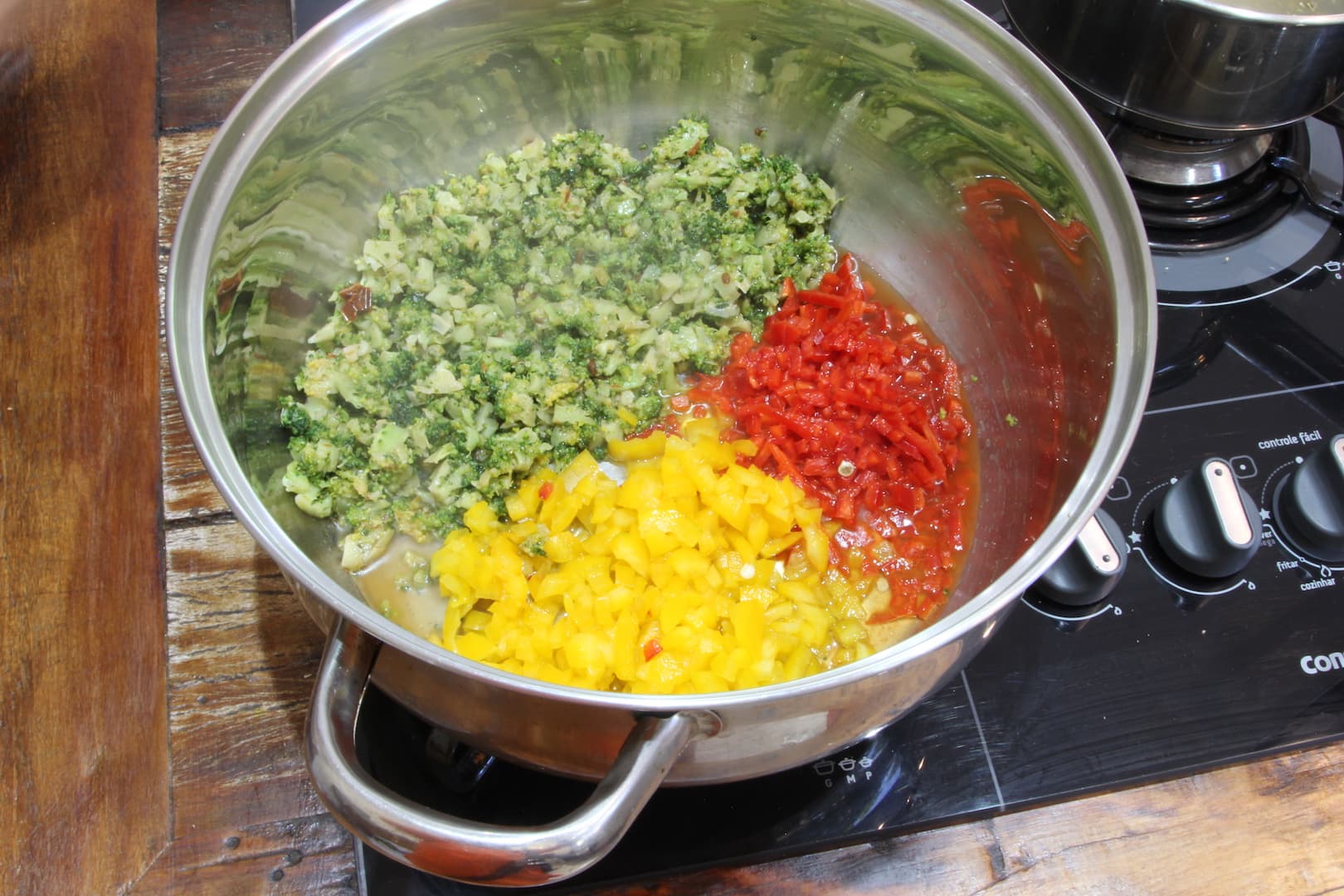
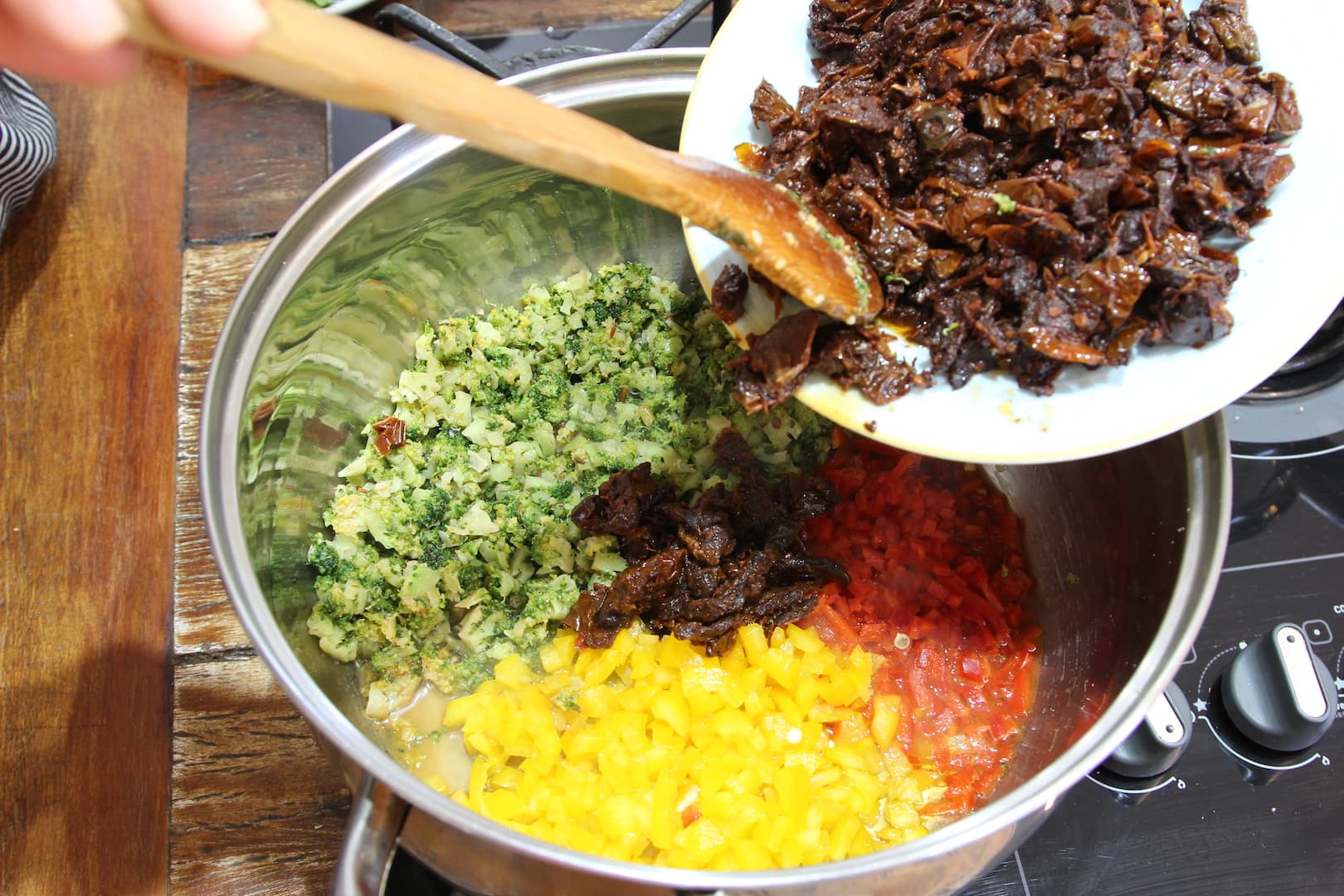
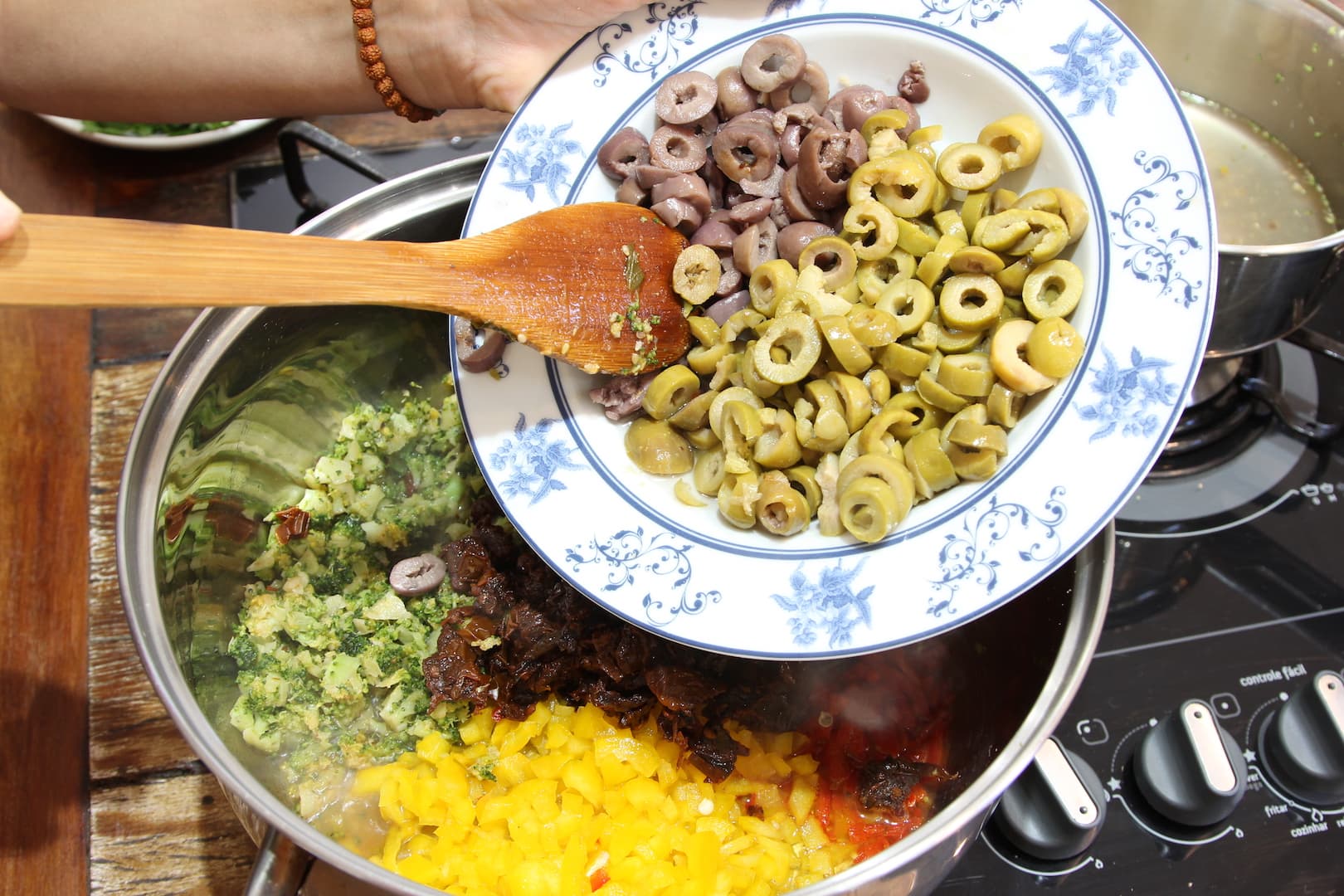
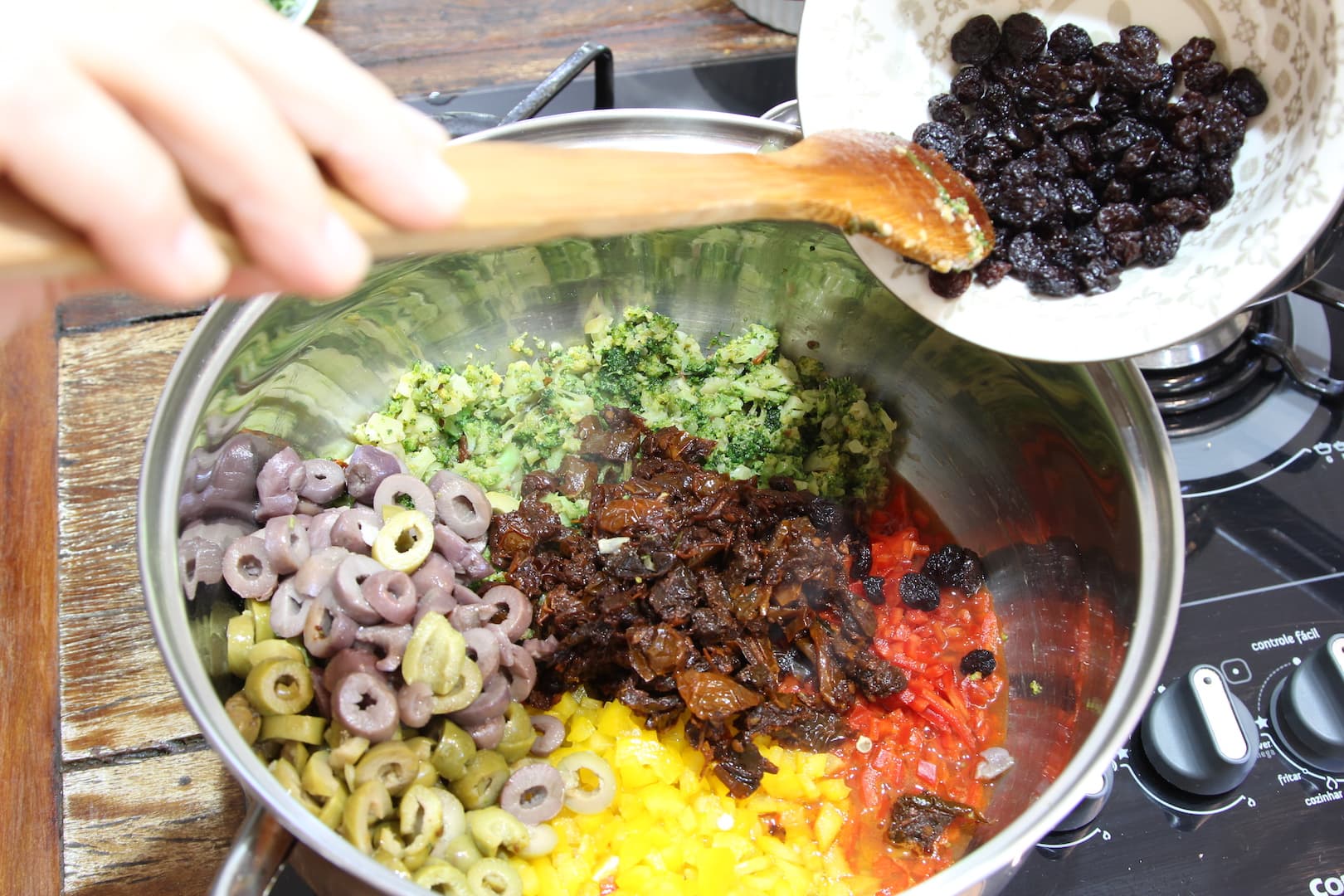
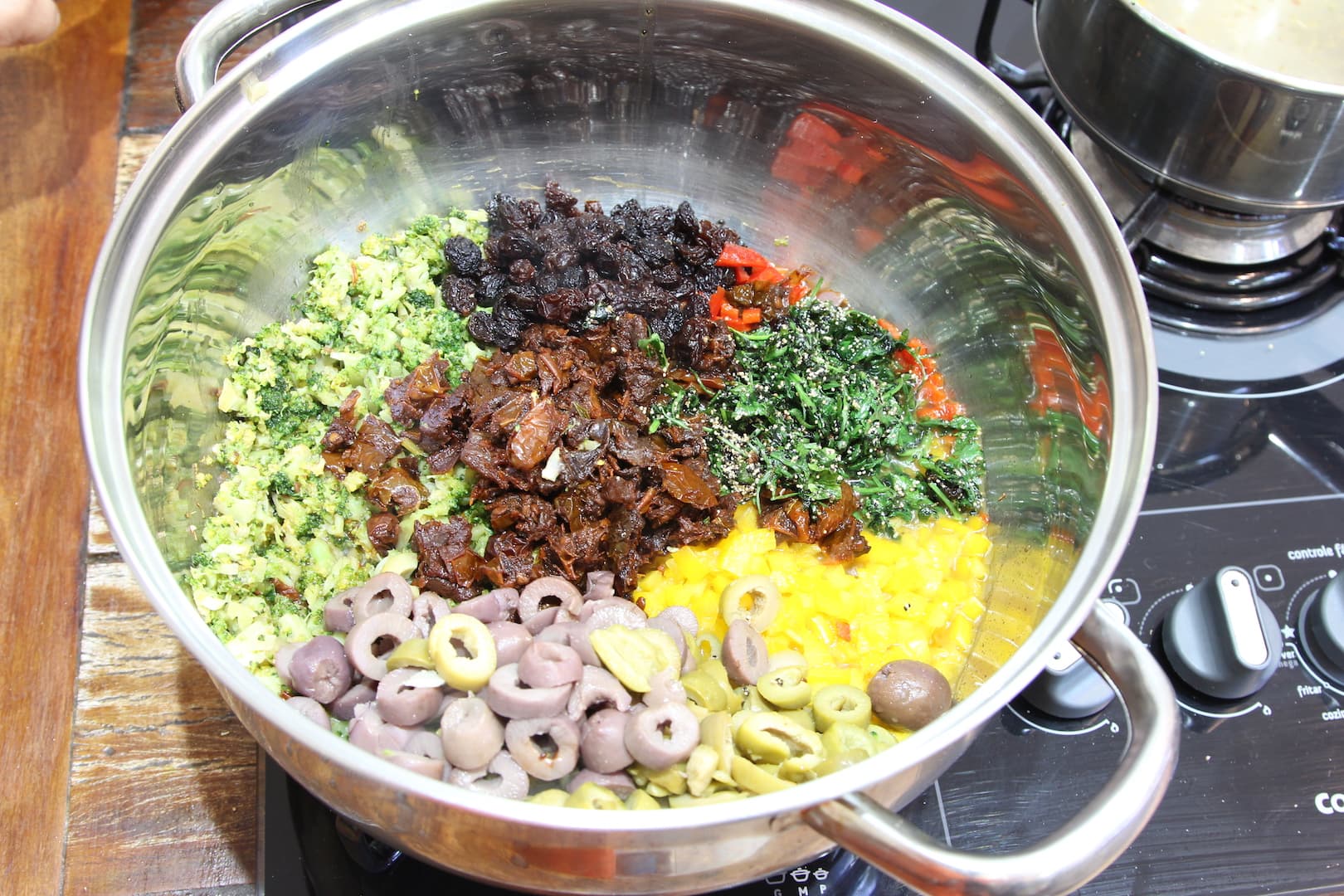
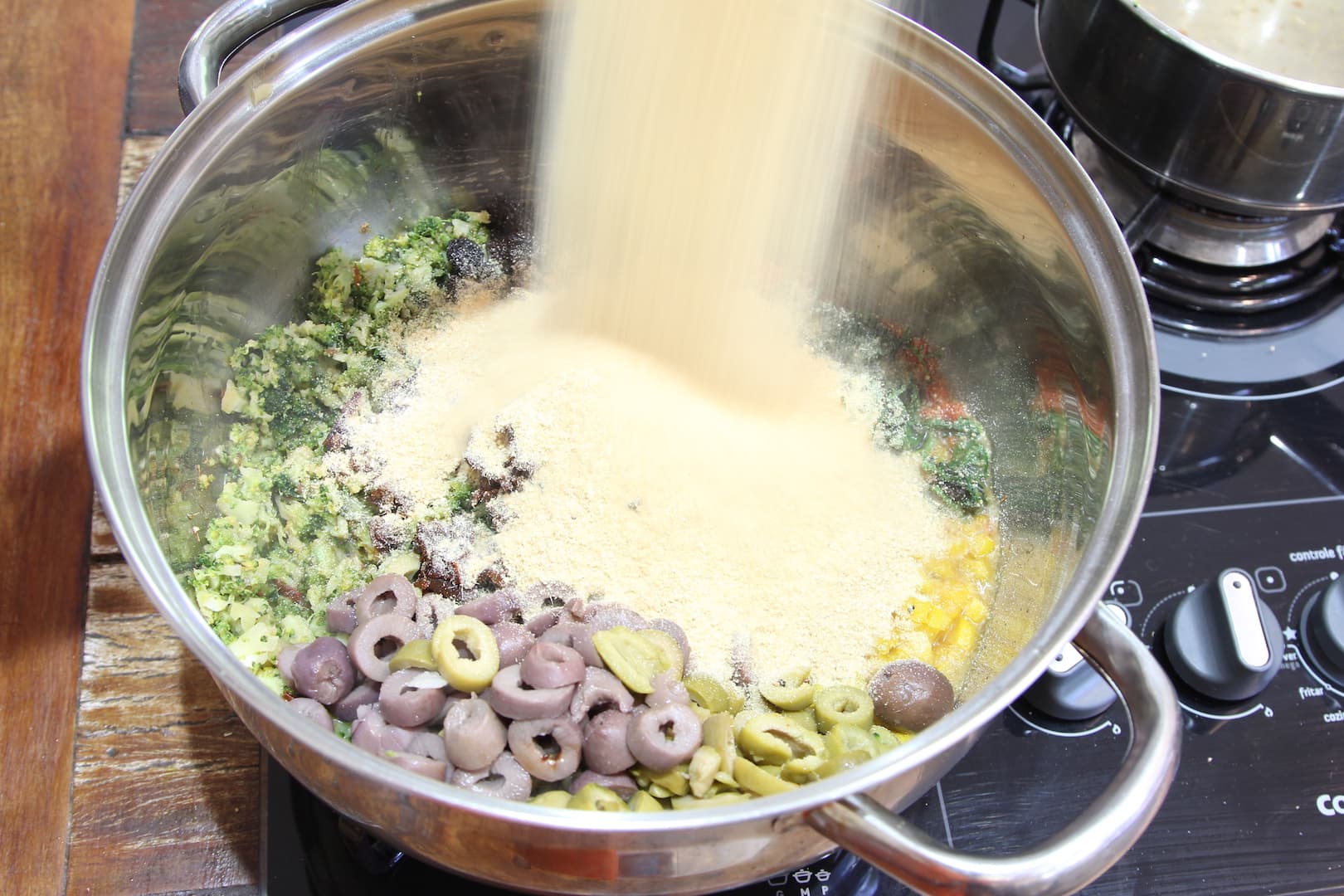
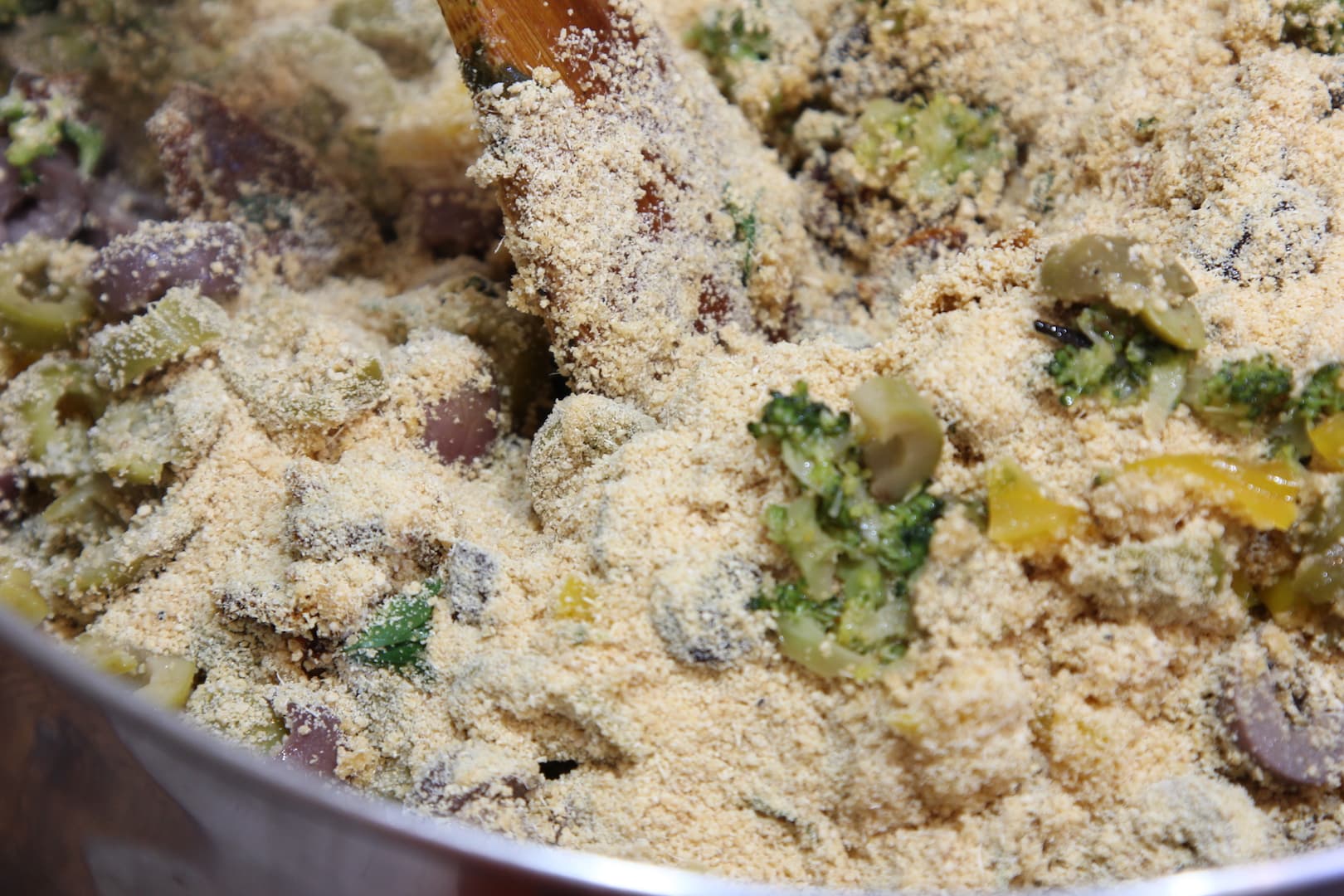
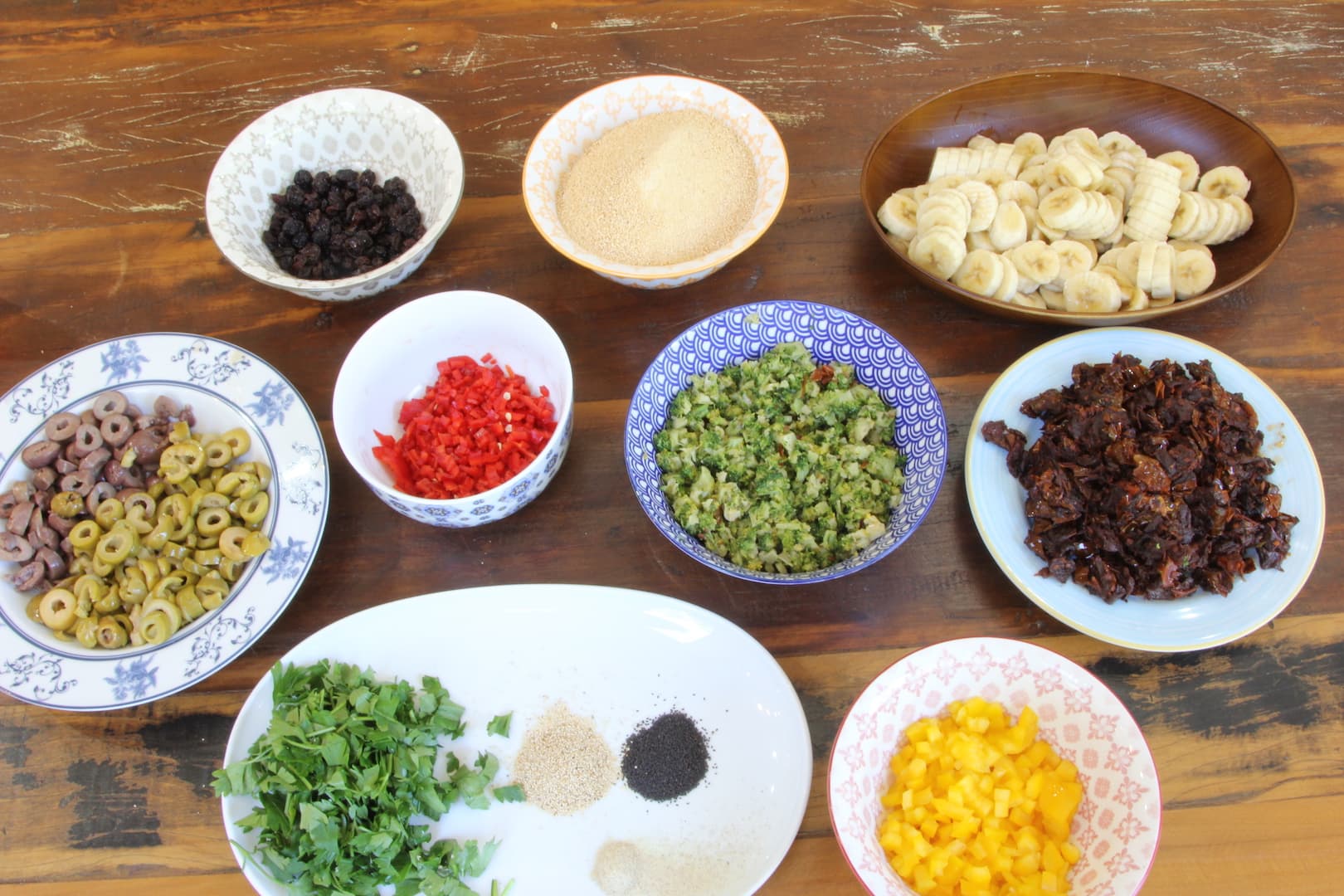
This special Farofa recipe is prepared with white mandioc flour and enhanced with olive oil, creating a medley of colorful vegetables including broccoli, bell peppers, and Mediterranean olives. Look for coarse manioc/yucca flour (Farinha de mandioca) when making this dish. Farofa especial is an easy and joyful recipe to create with a variety of vibrant vegetables.
Nutritional Benefits: Tapioca is a perfect food for Upavasa (fasting) as it is easy to digest and serves as an excellent energy source, rich in carbohydrates, protein, calcium, and vitamin K for bone health. Being naturally gluten-free, tapioca supports healthy digestion while providing sustained vitality.
Comments
Sign in to leave a comment